Women’s Empowerment: Building a Better Future for Women and Girls
 saviors
Women’s empowerment is essential for building stronger families, healthier communities, and a more equal society. When women have access to education, healthcare, financial resources, and meaningful opportunities, they can make informed decisions about their lives and contribute to their communities with confidence. Yet many women continue to face barriers that limit their personal, social, and economic growth.
In Pakistan, women and girls in underserved communities may experience difficulties accessing quality education, professional training, healthcare, and stable employment. These challenges can make it harder for them to become financially independent and participate fully in community development.
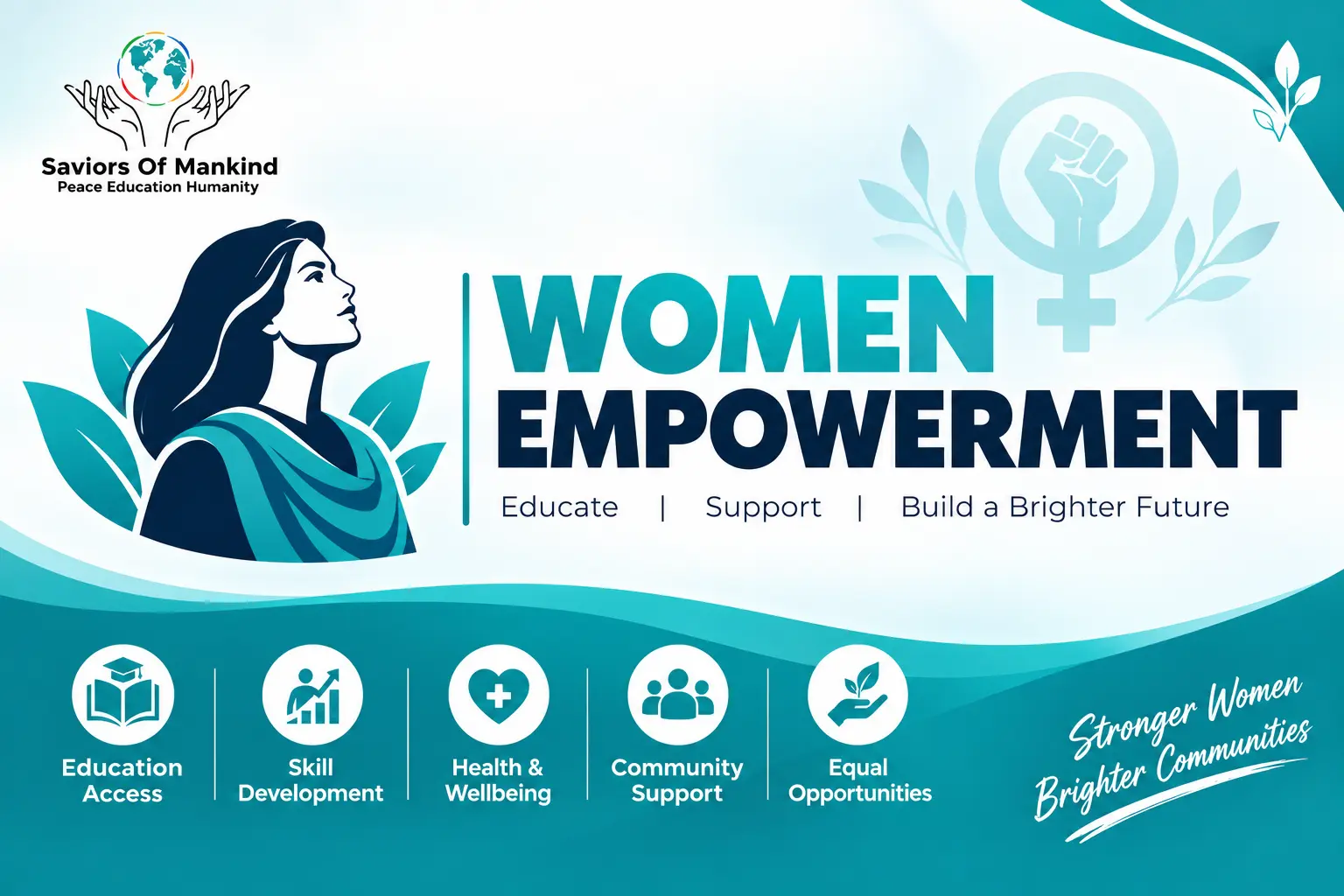
Women’s empowerment is about creating opportunities that allow women to learn, earn, lead, and live with dignity. Through community support, skills development, education programs, and charitable initiatives, we can help women build a more secure future for themselves and their families.
What Is Women’s Empowerment?
Women’s empowerment is the process of helping women gain the knowledge, skills, resources, confidence, and freedom to make decisions about their lives. It includes improving access to education, economic opportunities, healthcare, leadership, and equal rights.
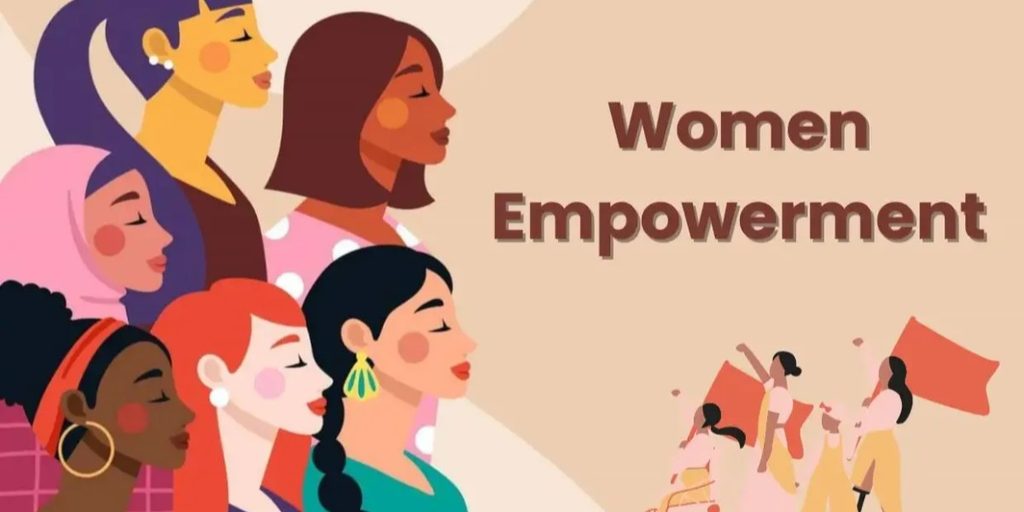
Women’s empowerment does not mean simply providing temporary assistance. It means creating lasting opportunities that enable women to improve their circumstances and shape their own futures.
For example, a woman who receives vocational training may develop the skills needed to start a small business. A young girl who receives educational support may continue her studies and pursue a professional career. Similarly, a woman who learns about financial management can make more informed decisions about her income and household needs.
These opportunities demonstrate why women’s empowerment is important for individuals, families, and society as a whole.
Why Is Women’s Empowerment Important?
Women’s empowerment plays an important role in reducing poverty, improving education, strengthening families, and supporting sustainable community development.
When women have opportunities to participate in education, employment, and leadership, communities benefit from a wider range of skills, knowledge, and experiences.
1. Improving Access to Education
Education gives women and girls the knowledge they need to pursue their goals, understand their rights, and make informed decisions. However, financial difficulties, limited educational facilities, and social barriers can prevent girls from continuing their studies.
Supporting girls’ education through scholarships, school supplies, transportation assistance, and learning programs can help reduce these barriers.
Educational opportunities also enable women to develop professional skills, access better employment, and support the education of future generations.
2. Creating Economic Opportunities for Women
Economic empowerment allows women to earn an income, manage their finances, and contribute to household expenses. Financial independence can increase a woman’s ability to make decisions and plan for the future.
Women’s economic empowerment can be supported through vocational training, entrepreneurship programs, digital skills education, and access to employment opportunities.
For example, training in tailoring, handicrafts, computer skills, digital marketing, or small-business management can help women explore different ways to earn an income.
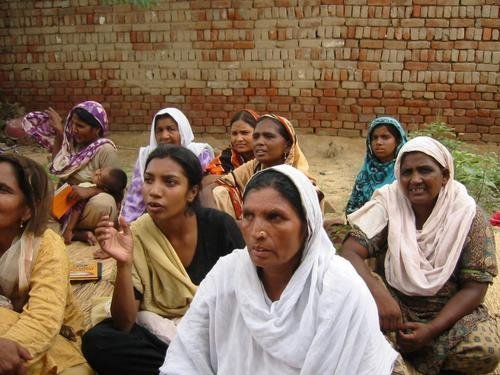
The most effective programs connect training with real opportunities to find customers, secure employment, or establish sustainable businesses.
3. Supporting Women’s Health and Well-Being
Access to healthcare is another important part of women’s empowerment. Women need reliable health information, preventive care, maternal health services, and access to qualified medical professionals.
In underserved communities, the cost of treatment and the distance to healthcare facilities can make medical support difficult to obtain.
Community health awareness sessions, medical camps, and affordable healthcare services can help women receive essential information and support.
When women can access appropriate healthcare, they are better positioned to care for themselves, pursue their goals, and participate in community life.
4. Encouraging Leadership and Decision-Making
Women should have meaningful opportunities to participate in decisions that affect their education, employment, families, and communities.
Leadership opportunities help women express their ideas, develop confidence, and contribute to solutions for local challenges.
Community organizations can encourage women’s participation by offering leadership training, mentoring, awareness sessions, and opportunities to take part in local development projects.
Including women in decision-making helps communities benefit from different perspectives and experiences.
What Are the Main Challenges to Women’s Empowerment?
Although progress continues in many areas, women can still face significant obstacles that limit their opportunities.
Limited Access to Quality Education
Some girls leave school because their families cannot afford fees, books, uniforms, or transportation. In certain communities, the lack of nearby schools and trained teachers creates additional difficulties.
Scholarships, community learning centers, and educational assistance can help girls continue their studies and work toward their goals.
Financial Dependence and Limited Employment
Women who lack professional training, financial resources, or access to employment may have fewer opportunities to earn independently.
Affordable skills training, career guidance, entrepreneurship support, and access to suitable work can help address these challenges.
Social Barriers and Gender Discrimination
Unfair expectations and discriminatory practices can restrict women’s choices in education, employment, and leadership.
Community awareness, family engagement, equal opportunities, and respect for women’s rights can help create an environment where women are encouraged to develop their abilities.
Limited Access to Healthcare
Healthcare costs, distance, and a lack of reliable information can prevent women from receiving timely medical support.
Local health initiatives, medical awareness programs, and accessible services can help women understand their healthcare needs and seek appropriate care.
Addressing these challenges requires cooperation between families, communities, educational institutions, government agencies, and nonprofit organizations.
How Can Women’s Empowerment Programs Make a Difference?
Women’s empowerment programs can provide practical support that helps women develop skills, improve their financial circumstances, and participate more actively in society.
The most useful programs respond to the actual needs of local communities and focus on sustainable outcomes rather than temporary assistance alone.
Vocational Training and Skills Development
Vocational training helps women develop practical skills that can lead to employment or self-employment.
Programs may include:
- Tailoring, sewing, and embroidery.
- Computer literacy and basic IT training.
- Digital marketing and online business skills.
- Small-business management and financial literacy.
- Handicrafts and other locally marketable skills.
Training should reflect local demand and provide guidance on how participants can use their skills to earn a reliable income.
Financial Literacy and Entrepreneurship
Financial literacy helps women understand budgeting, saving, pricing, and business planning. These skills are particularly valuable for women who want to establish small businesses or manage their household finances more effectively.
Entrepreneurship programs can offer mentoring, business planning support, access to suitable resources, and connections with potential customers.
With the right support, women can explore opportunities that match their abilities, circumstances, and local markets.
Digital Skills and Online Employment
Digital education can open new opportunities for women who have limited access to traditional workplaces.
Basic computer training, internet safety, online communication, and digital business skills can help women explore remote work, freelancing, and online entrepreneurship where suitable opportunities are available.
Providing access to devices, reliable internet, practical training, and ongoing guidance can make digital learning more useful.
Awareness of Rights and Community Participation
Women’s empowerment also involves understanding legal rights, accessing relevant support services, and participating in community decisions.
Awareness sessions can help women learn about available educational resources, employment opportunities, healthcare services, and appropriate legal assistance.
These initiatives should be delivered respectfully and with attention to participants’ privacy, safety, and individual circumstances.
Women’s Empowerment in Pakistan: Why Local Support Matters
Women’s empowerment in Pakistan requires practical solutions that reflect the different needs of urban and rural communities.
In some areas, girls may need financial assistance to continue school. In others, women may benefit more from vocational training, healthcare access, digital education, or support for small businesses.
The Malala Fund’s Pakistan work highlights barriers to girls’ secondary education, including the cost of schooling and the need for stronger educational resources in rural areas. Its priorities include improving access to secondary education and strengthening support for girls and teachers. Source: Malala Fund
Community-based organizations can help respond to local needs by identifying barriers, working with families, and developing programs that are accessible to women and girls.
Effective initiatives may include:
- Providing educational assistance to girls from low-income families.
- Organizing vocational and digital skills training for women.
- Connecting women with employment and entrepreneurship resources.
- Supporting access to healthcare and health education.
- Raising awareness about women’s rights and available services.
- Creating opportunities for women to participate in community leadership.
These efforts are most effective when programs are designed around community priorities, managed responsibly, and evaluated through clear results.
How Can You Support Women’s Empowerment?
Everyone can contribute to women’s empowerment, whether through financial donations, volunteering, professional skills, or community awareness.
Supporting women does not always require a large financial contribution. Consistent, practical assistance can help create opportunities that make a meaningful difference.
Donate to Support Women’s Empowerment Programs
Donations can help nonprofit organizations provide educational resources, vocational training, digital learning, healthcare assistance, and other services for women who face financial barriers.
Depending on a program’s needs, contributions may help provide training materials, learning equipment, educational supplies, or support for women developing income-generating skills.
Before donating, review the organization’s mission, registration details where applicable, financial transparency, and the specific purpose of the fundraising campaign.
A responsible donation should support a clearly explained program with realistic objectives and appropriate accountability.
Your support can help create opportunities for women to learn new skills, pursue education, and work toward greater financial independence.
Volunteer Your Skills and Time
Volunteering is another valuable way to support women’s empowerment initiatives.
Teachers can help with literacy and educational programs. IT professionals can provide basic computer training. Business owners can share practical knowledge about entrepreneurship, while healthcare professionals can contribute through appropriate awareness activities.
Volunteers can also assist with fundraising, event coordination, mentoring, and community outreach.
Even a few hours of consistent support can be useful when it meets a genuine need and is organized responsibly.
Raise Awareness in Your Community
Sharing reliable information about women’s education, employment, healthcare, and rights can encourage constructive conversations and help people discover available support.
You can raise awareness through community meetings, educational events, social media, and local partnerships.
When discussing women’s empowerment, focus on practical solutions, respect individual experiences, and avoid sharing private information or personal stories without permission.
Support Women-Owned Businesses
Buying products and services from women-owned businesses can help women build customer relationships and generate income.
You can support women entrepreneurs by purchasing their products, recommending their services, sharing their business information, and connecting them with potential customers.
This type of support can strengthen local economic participation and help women develop sustainable livelihoods.
How Your Donation Can Help Empower Women
A donation can support different parts of a women’s empowerment program, depending on the organization’s priorities and available resources.
For example, contributions may help fund:
- Education: Books, stationery, learning materials, and educational assistance.
- Skills training: Training materials, equipment, and practical learning sessions.
- Digital inclusion: Computer access, internet learning resources, and IT education.
- Healthcare: Health awareness sessions and access to suitable medical services.
- Entrepreneurship: Business education, mentoring, and resources for income-generating activities.
The exact impact of a donation depends on program costs, local needs, and how funds are allocated. Organizations should explain how contributions are used and report their results honestly.
When you donate to a women’s empowerment initiative, consider supporting programs that help women build skills and access lasting opportunities, alongside any immediate assistance they may need.
Building a Better Future Through Women’s Empowerment
Women’s empowerment is a shared responsibility that requires ongoing commitment from individuals, families, communities, and organizations.
When women can access education, develop professional skills, receive healthcare, and participate in important decisions, they have more opportunities to shape their futures.
Progress does not happen through a single activity. It develops through consistent investment, practical support, equal opportunities, and respect for women’s choices.
Our communities can contribute by supporting educational initiatives, encouraging women to develop their abilities, volunteering with trusted organizations, and donating to programs that address genuine needs.
Together, we can help create a future where every woman and girl has the opportunity to learn, grow, contribute, and live with dignity.
Frequently Asked Questions About Women’s Empowerment
What Is Women’s Empowerment in Simple Words?
Women’s empowerment means giving women and girls the opportunities, resources, knowledge, and freedom to make decisions about their lives. It includes access to education, employment, healthcare, financial independence, and leadership.
Why Is Women’s Empowerment Important for Society?
Women’s empowerment can help reduce economic barriers, improve access to education and healthcare, strengthen families, and encourage broader participation in community development. When women can use their skills and abilities, society benefits from their contributions.
How Can We Promote Women’s Empowerment in Pakistan?
Women’s empowerment in Pakistan can be promoted by supporting girls’ education, offering vocational and digital skills training, improving healthcare access, encouraging women’s employment, raising awareness of rights, and creating opportunities for women to participate in community decisions.
How Can I Donate to Women’s Empowerment Programs?
You can donate through a reputable nonprofit organization that runs women’s education, vocational training, healthcare, or livelihood programs. Check the organization’s official donation page, review its funding purpose, and confirm how donations are managed before contributing.
How Can I Volunteer for Women’s Empowerment?
You can volunteer by teaching, mentoring, providing professional skills, helping organize community activities, supporting fundraising, or assisting with awareness campaigns. Contact a suitable local organization to learn about its current needs and volunteer requirements.
What Are the Benefits of Women’s Economic Empowerment?
Women’s economic empowerment can help women earn income, develop financial skills, pursue employment, and establish businesses. It can also strengthen their ability to make financial decisions and contribute to household and community well-being.
How Does Education Help Empower Women?
Education develops knowledge, confidence, and practical abilities. It can help women access employment, understand their rights, make informed decisions, and pursue further training or leadership opportunities.
Can Small Donations Make a Difference in Women’s Empowerment?
Yes. Small donations can contribute toward shared program costs, such as educational materials, training resources, and community activities. The actual impact depends on the organization’s needs, the total funds available, and how contributions are allocated.
Support Women’s Empowerment Today
Every woman deserves the opportunity to develop her abilities, pursue her goals, and contribute to her community.
You can be part of this progress by supporting women’s education, promoting practical skills development, volunteering your time, or contributing to a trusted women’s empowerment program.
Donate today and help create more opportunities for women and girls to build a brighter future.