Helping Families Rebuild Their Lives
 saviors
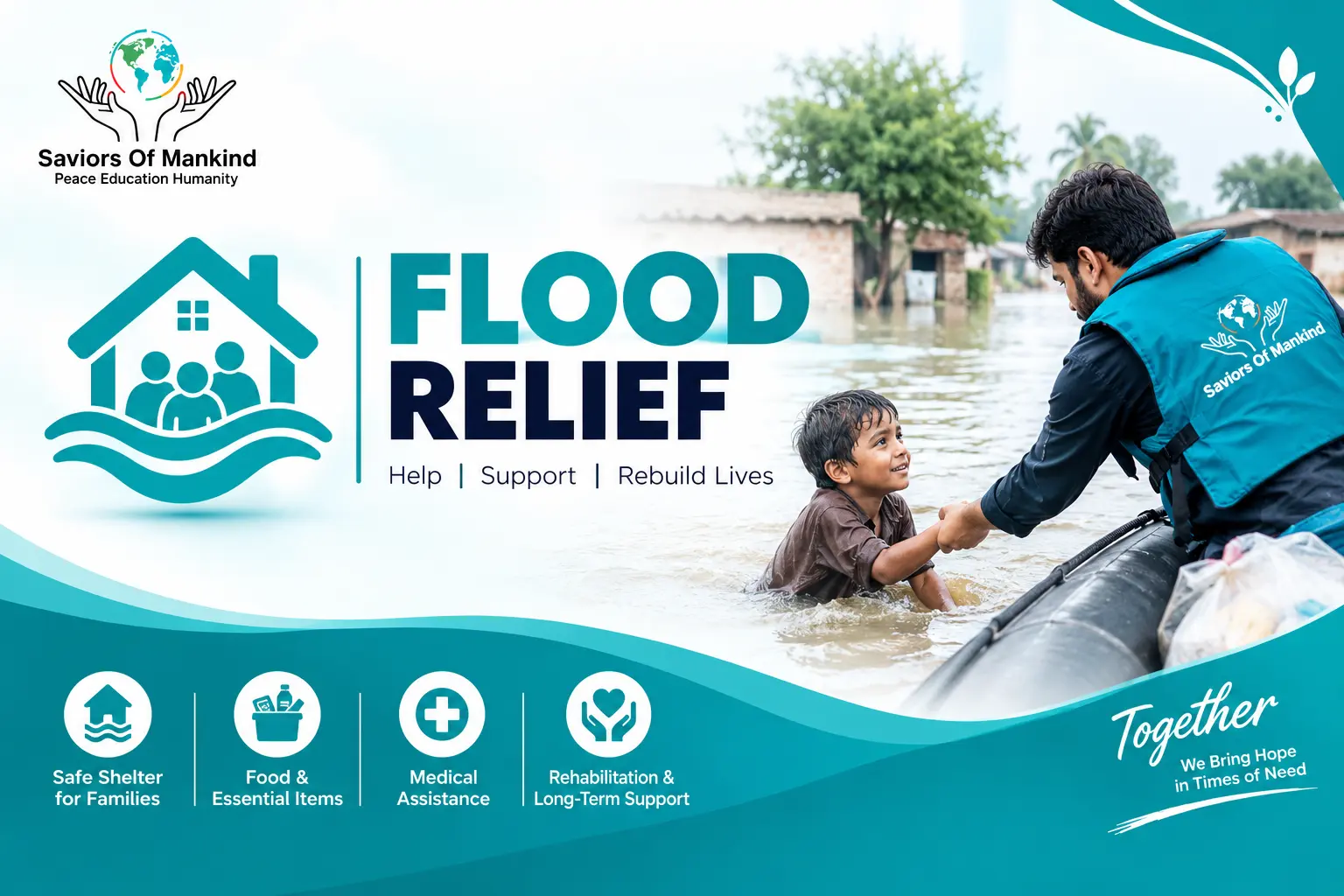
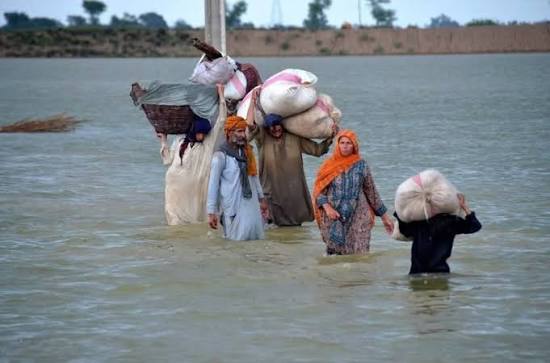
Floods can destroy homes, damage roads, ruin crops, and leave families without food, clean water, or shelter. For many people, a flood means losing the things they need for everyday life. Children, older people, and families with limited resources often face the greatest challenges.
Flood relief provides emergency support to people affected by floods. It helps families meet their basic needs, stay safe, and begin rebuilding their lives. With the support of volunteers, NGOs, and donors, affected communities can recover and prepare for future disasters.
What Is Flood Relief?
Flood relief is the assistance provided to people whose homes, livelihoods, or communities have been affected by flooding. It focuses on providing urgent help during and after a flood.
Flood relief services may include food distribution, clean drinking water, temporary shelter, medical care, clothing, hygiene kits, and financial assistance. These services help families manage difficult conditions and recover from the damage.
Why Is Flood Relief Important?
Floods can create serious problems in a short time. Families may lose their homes, farmers may lose their crops, and children may be unable to attend school.
Timely flood emergency assistance can help reduce suffering and protect vulnerable people.
Some important benefits of flood relief include:
- Providing food and clean drinking water.
- Arranging temporary shelter for displaced families.
- Supporting people who need medical care.
- Distributing clothes and essential supplies.
- Helping children and vulnerable people stay safe.
- Supporting families as they recover from flood damage.
Essential Flood Relief Services
Effective flood relief programs focus on the most urgent needs of affected communities.
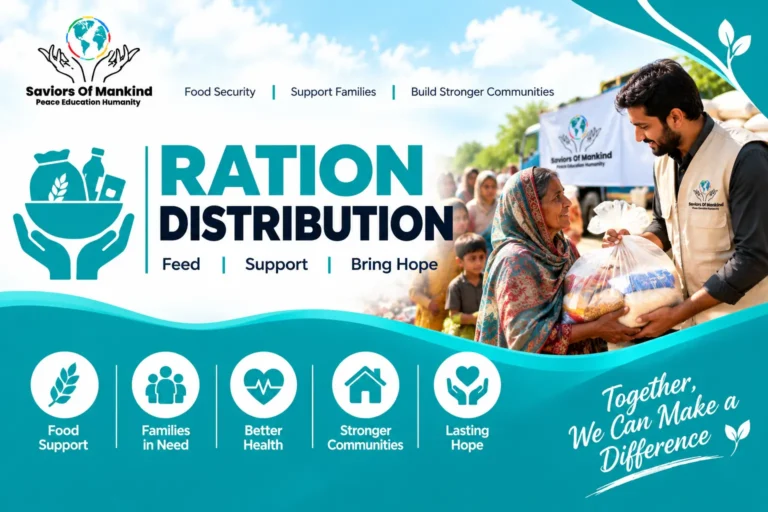
1. Food and Ration Distribution
Flood-affected families may lose access to markets, kitchens, and food supplies. Providing ration packages helps them prepare meals and meet their daily nutritional needs.
Relief packages may contain flour, rice, pulses, cooking oil, and other essential food items. Distribution should be organized fairly, with priority given to families facing the greatest hardship.
2. Clean Drinking Water
Floodwater can contaminate drinking water sources and increase the risk of waterborne diseases. Access to safe drinking water is therefore a major priority during flood emergencies.
Relief organizations can provide safe water, suitable water containers, and water purification supplies. They can also share information about safe water storage and hygiene.
3. Temporary Shelter
Many families are forced to leave their homes because of rising water or structural damage. Temporary shelters provide protection from rain, heat, and unsafe conditions.
Relief teams may distribute tents, blankets, sleeping mats, and other essential items. Safe shelter is especially important for children, older adults, and people with disabilities.
4. Medical Assistance
Floods can cause injuries and increase the risk of infections and other illnesses. Some people may also lose access to their regular medical care.
Free medical camps and emergency health services can help affected families receive basic treatment. Relief teams may also provide first aid, essential health supplies, and referrals to hospitals when needed.
5. Clothing and Hygiene Kits
Families who leave their homes quickly may lose their clothes and personal belongings. Hygiene supplies are also essential when normal sanitation services are disrupted.
Relief packages can include clean clothing, soap, sanitary products, towels, and other personal care items.
Flood Relief in Pakistan
Pakistan is vulnerable to seasonal flooding caused by heavy rainfall, overflowing rivers, and other weather-related events. Floods can affect rural villages, agricultural land, homes, and local infrastructure.
Families with limited financial resources may struggle to replace damaged belongings or repair their houses after a disaster.
Flood relief organizations can support these communities through emergency food supplies, clean water, medical assistance, temporary shelter, and recovery programs. Local volunteers also play an important role by identifying urgent needs and helping distribute essential supplies.
How NGOs Help Flood-Affected Communities
Non-governmental organizations (NGOs) can help coordinate relief activities and deliver assistance to families in need.
Their work may include:
- Identifying families that need urgent support.
- Distributing food and essential supplies.
- Arranging medical camps and health awareness sessions.
- Providing temporary shelter and hygiene kits.
- Supporting children whose education has been interrupted.
- Helping families access longer-term recovery assistance.
A well-organized relief program should distribute resources transparently and prioritize people according to their needs.
Long-Term Recovery After a Flood
Flood relief should not end when the water begins to recede. Many families continue to face financial difficulties, damaged homes, and interrupted education long after the immediate emergency.
Long-term flood recovery may include repairing homes, restoring livelihoods, providing school supplies, supporting farmers, and improving access to clean water.
Disaster preparedness is also important. Communities can benefit from early-warning information, evacuation plans, emergency supplies, and awareness programs that help people respond more safely to future floods.
How You Can Support Flood Relief
Every contribution can help provide essential supplies to families affected by flooding. Donations can support food packages, clean drinking water, medical supplies, temporary shelter, and other emergency needs.
You can support flood relief efforts by:
- Making a donation to a trusted relief organization.
- Donating essential food and hygiene supplies.
- Volunteering with an established relief team.
- Sharing verified information about relief campaigns.
- Supporting recovery programs for affected families.
Before donating, check the organization’s identity, fundraising details, and how it reports the use of funds. Responsible donations help relief teams direct resources to the people who need them most.
Donate to Support Flood Relief
Your donation can help a family receive food, clean water, shelter, or essential medical assistance during a difficult time.
Our flood relief efforts aim to support vulnerable families with practical assistance and compassionate care. With community support, we can help affected people meet their immediate needs and take steps toward recovery.
Donate today to support flood-affected families and help build stronger, safer communities.
Frequently Asked Questions
What is the purpose of flood relief?
The purpose of flood relief is to provide urgent assistance to people affected by flooding, including food, safe drinking water, shelter, medical care, and essential supplies.
What items are needed for flood relief?
Commonly needed items include packaged food, clean drinking water, blankets, clothing, hygiene kits, first aid supplies, and temporary shelter materials. Needs vary by location and emergency conditions.
How can I help flood victims in Pakistan?
You can donate to a trusted relief organization, provide requested supplies, volunteer with an established team, or support programs that help families recover after floods.
Why is clean water important after a flood?
Floodwater can contaminate wells and other water sources. Safe drinking water helps reduce the risk of waterborne illnesses and supports the health of affected families.
How do NGOs provide flood relief?
NGOs may assess community needs, distribute emergency supplies, arrange medical assistance, provide temporary shelter, and support long-term recovery.
Can donations help families recover after floods?
Yes. Donations can fund immediate relief and longer-term support, including essential supplies, home repairs, education assistance, and livelihood recovery.
Conclusion
Floods can change lives in a matter of hours, leaving families without safe homes, food, or clean water. Timely flood relief helps meet these urgent needs and gives affected communities a stronger chance to recover.
Through donations, volunteering, and responsible relief programs, NGOs and local communities can work together to support families during difficult times.
Together, we can provide hope, restore dignity, and help flood-affected families rebuild their lives.