
Every child deserves the chance to learn, grow, and build a better future. Education helps children develop knowledge, confidence, and the skills they need throughout life. However, many children from low-income families struggle to attend school because of financial difficulties, a lack of learning materials, or limited access to educational facilities.
Child education is essential for creating stronger families and healthier communities. By supporting children who need educational assistance, we can help them continue their studies and work toward a brighter future.
Child education is the process of helping children gain knowledge, develop skills, and understand the world around them. It includes early childhood learning, primary education, secondary schooling, and opportunities to develop practical skills.
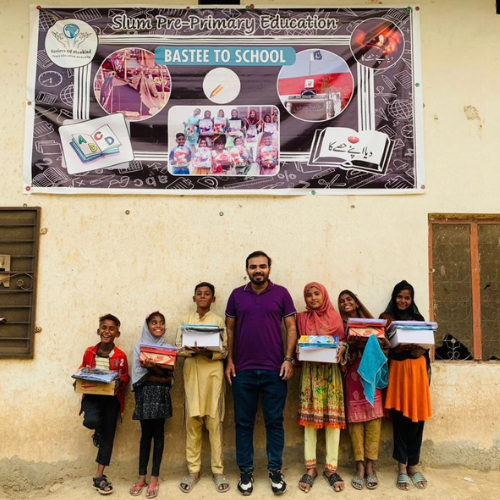
Quality education is not limited to reading and writing. It also helps children improve their communication, problem-solving, creativity, and social skills. Every child should have a fair opportunity to receive an education, regardless of their family’s financial situation.
Education plays an important role in a child’s personal development and future opportunities. Children who receive a good education are better prepared to make informed decisions and contribute to society.
Some key benefits of child education include:
Many children face difficulties that make regular school attendance challenging. These problems can affect their learning and limit their future opportunities.
Some parents cannot afford school fees, uniforms, books, stationery, or transportation. Even when schooling is free, additional expenses may prevent children from attending regularly.
Some communities have limited access to schools, trained teachers, libraries, or suitable classrooms. Children living in remote areas may need to travel long distances to attend school.
Financial hardship can force some children to work instead of attending school. Supporting families and improving access to education can help children stay in learning environments.
In some communities, girls face additional challenges because of financial limitations, safety concerns, or social barriers. Equal educational opportunities help both girls and boys develop their potential.
Floods and other emergencies can damage schools, destroy books, and force families to leave their homes. Educational support can help children return to school after these difficult experiences.
Our child education services aim to help children from disadvantaged backgrounds access learning opportunities and continue their studies.
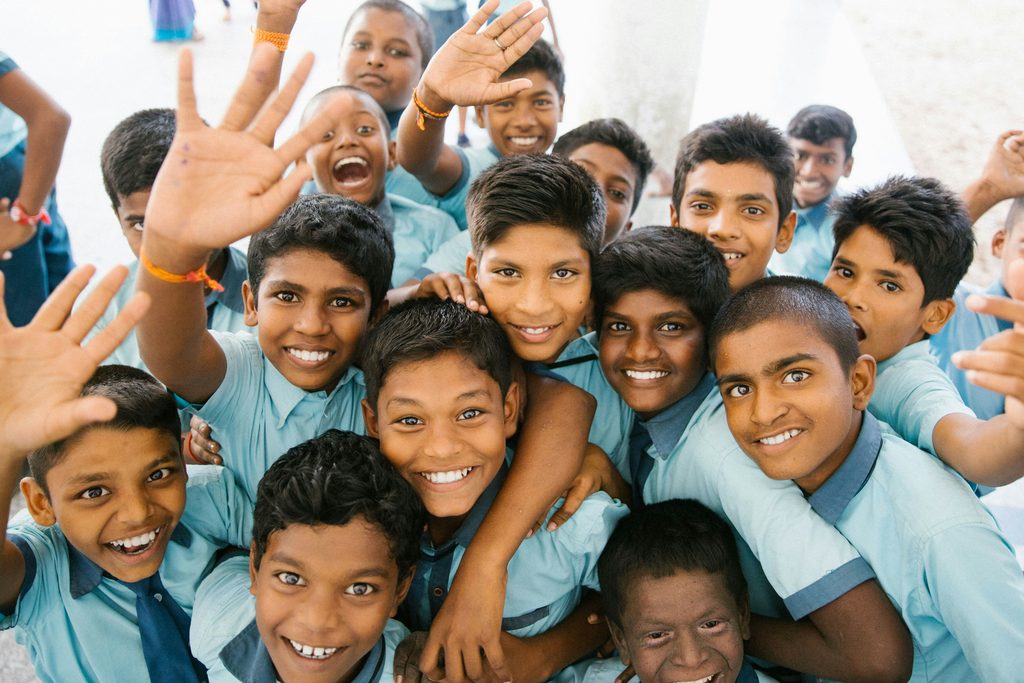
Through community support and donations, educational assistance can focus on the needs of children and their families.
Children need basic learning materials to participate in school activities. Providing notebooks, pencils, school bags, stationery, and textbooks can reduce some of the financial pressure on parents.
Financial support can help eligible families manage school-related expenses. Depending on available funding, assistance may cover uniforms, transportation, school fees, or other essential educational costs.
Children from low-income families may need additional support to continue their education. Identifying their needs and connecting them with suitable educational resources can help reduce barriers to learning.
Community learning sessions can help children improve basic literacy, numeracy, and general knowledge. Educational awareness programs can also encourage parents to understand the long-term value of regular school attendance.
Supporting girls’ education helps create fairer opportunities for children in the community. Assistance with learning materials, safe access to schools, and family awareness can help girls continue their studies.
Parents, teachers, volunteers, and community organizations all have a role in supporting child education.
Parents can encourage regular attendance, create time for learning at home, and communicate with teachers about their children’s progress.
Community members can help by donating school supplies, supporting local learning programs, and encouraging families to prioritize education. Small contributions can make a meaningful difference when they are directed toward genuine needs.
Access to quality education remains an important concern for many communities in Pakistan. Poverty, school-related expenses, limited educational facilities, and emergencies can prevent children from receiving consistent schooling.
NGOs and community organizations can help by identifying children who need support and providing practical assistance. School supplies, educational funding, tutoring, and awareness campaigns can help children remain connected to education.
Local partnerships between families, schools, donors, and organizations can also make educational programs more effective and sustainable.
Donations can help provide learning materials and educational assistance to children whose families cannot easily afford these expenses.
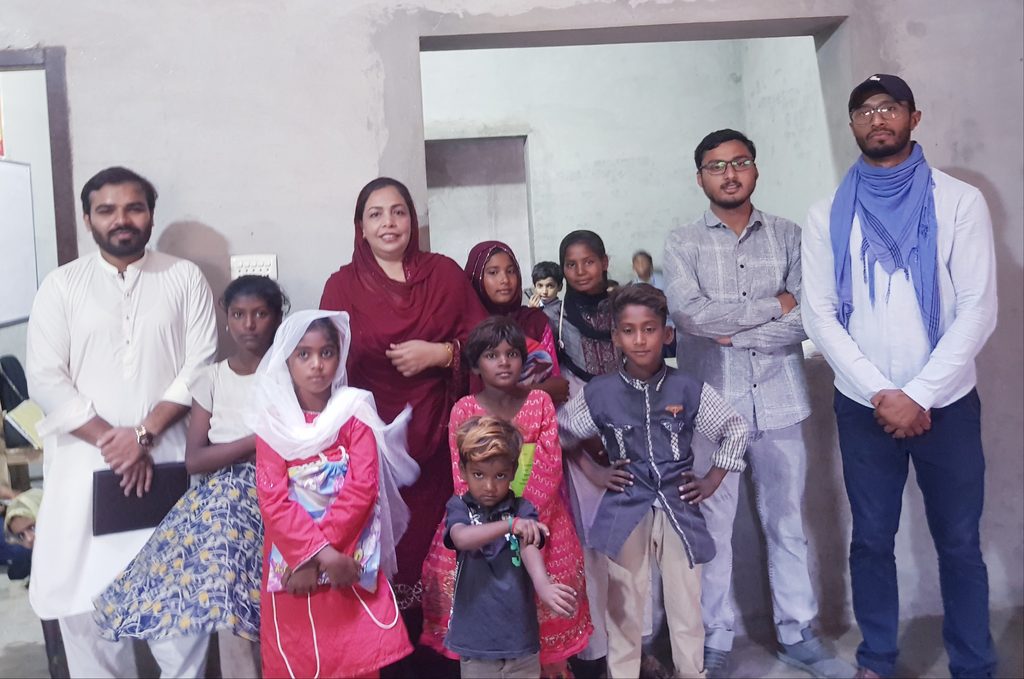
Your contribution may help fund:
Every donation should be used responsibly, with clear records and a focus on the children’s actual needs.
Every child deserves an opportunity to learn without being held back by poverty. Your support can help children access educational materials, continue attending school, and develop the skills they need for the future.
Our NGO welcomes support from individuals, businesses, and community members who want to make education more accessible for disadvantaged children.
Donate today to support child education and help build a brighter future for the next generation.
Together, we can give more children the opportunity to learn, grow, and reach their potential.
Child education helps children develop knowledge, practical skills, confidence, and better opportunities for their future. It also supports stronger families and communities.
NGOs can provide school supplies, financial assistance, tutoring, educational awareness programs, and support for children from disadvantaged families.
You can donate school supplies, support a trusted educational charity, contribute to school-related expenses, or volunteer with a local education program.
Common items include school bags, notebooks, pencils, pens, textbooks, geometry sets, and other age-appropriate learning materials.
Donations can help families manage school-related expenses and give children access to essential learning resources, especially in underserved communities.
Girls’ education promotes equal opportunities and helps girls develop the knowledge and skills needed to make informed decisions and pursue their goals.
Child education gives children the foundation they need to build a better future. Yet many children still face financial and social barriers that make learning difficult.
Through educational assistance, school supplies, community programs, and donations, we can help more children continue their studies and reach their potential.
Supporting child education today means investing in a more hopeful tomorrow. With the help of donors, volunteers, and communities, we can work toward a future where every child has the opportunity to learn.