Protecting Nature for a Better Future
 saviors
A clean and healthy environment is essential for every living being. Trees, clean water, fresh air, and healthy soil support our daily lives. However, pollution, plastic waste, deforestation, and climate change are creating serious problems for communities around the world.
Environmental care means protecting nature, reducing pollution, and using natural resources responsibly. Through small actions and community efforts, we can create cleaner surroundings and help build a healthier future for the next generation.
What Is Environmental Care?
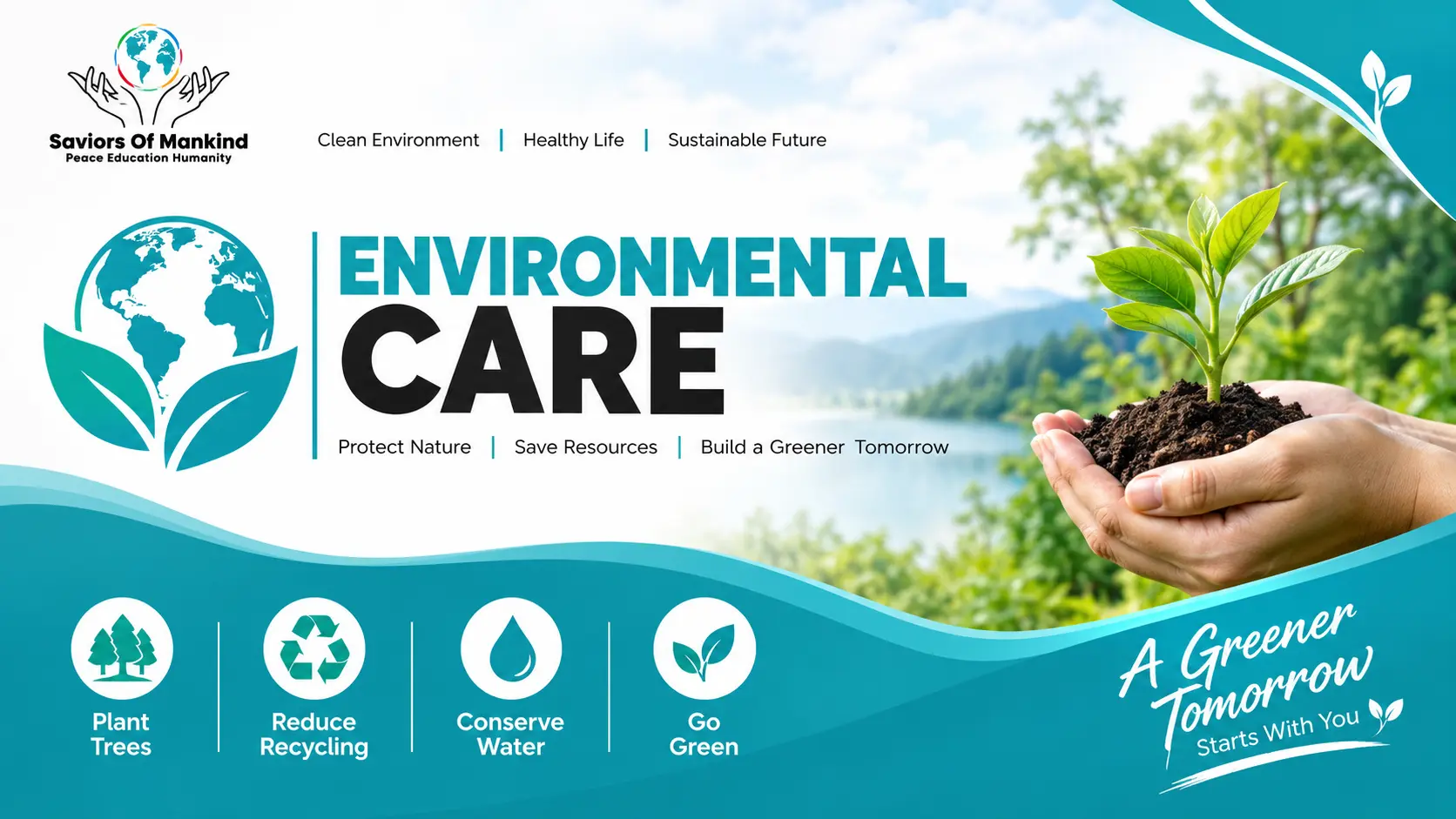
Environmental care includes activities that protect the natural world and reduce damage to our surroundings. It involves keeping public places clean, planting trees, managing waste, saving water, and encouraging people to adopt environmentally friendly habits.
Environmental protection is not only the responsibility of governments. Individuals, schools, businesses, NGOs, and local communities can all contribute to a cleaner environment.
Why Is Environmental Protection Important?
A healthy environment supports human health, protects wildlife, and helps maintain natural resources for future generations.
Some important benefits of environmental protection include:
- Cleaner air: Reducing pollution helps improve the quality of the air we breathe.
- Safe water: Protecting rivers, lakes, and other water sources supports public health.
- Healthy communities: Clean surroundings help reduce exposure to waste and environmental hazards.
- Wildlife protection: Conserving natural habitats helps plants and animals survive.
- Climate awareness: Responsible environmental practices can help reduce greenhouse gas emissions.
- A better future: Protecting natural resources helps future generations meet their needs.
Common Environmental Problems
Understanding environmental problems is the first step toward finding practical solutions.
Air Pollution
Smoke from vehicles, factories, and burning waste can pollute the air. Poor air quality can affect human health and the environment.
Planting trees, reducing unnecessary burning, and encouraging cleaner transport can help support better air quality.
Plastic Waste
Plastic bags, bottles, and packaging can accumulate in streets, drains, rivers, and other natural areas. Poor waste management can also harm animals and pollute water sources.
Reducing single-use plastics, reusing suitable items, and disposing of waste responsibly can help address this problem.
Water Pollution
Waste, chemicals, and untreated sewage can contaminate water sources. This can harm aquatic life and make water unsafe for people.
Communities can help by avoiding waste dumping, protecting local waterways, and reporting serious pollution to the appropriate authorities.
Deforestation
Trees provide shade, support wildlife, help store carbon, and contribute to healthy ecosystems. Cutting down trees without proper management can damage natural habitats and increase environmental risks.
Tree plantation and the protection of existing forests are important parts of environmental conservation.
Our Environment Care Services
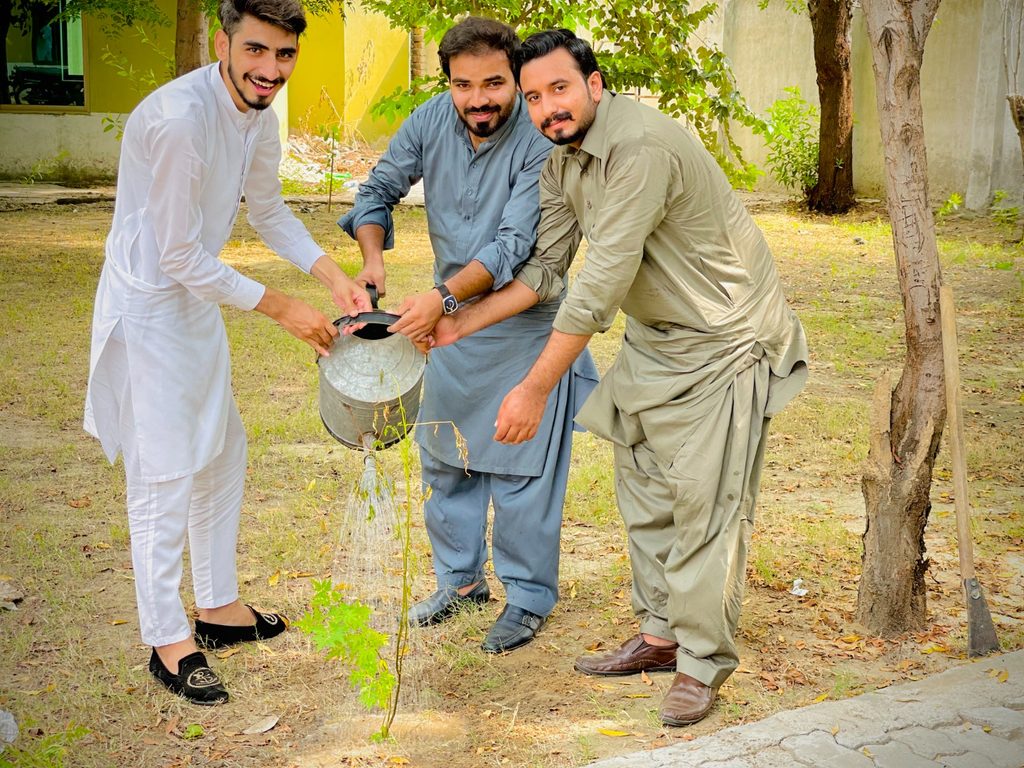
Our environment care services aim to encourage responsible habits and help communities protect their surroundings. Through awareness activities and local initiatives, NGOs can involve people in practical environmental projects.
Tree Plantation Campaigns
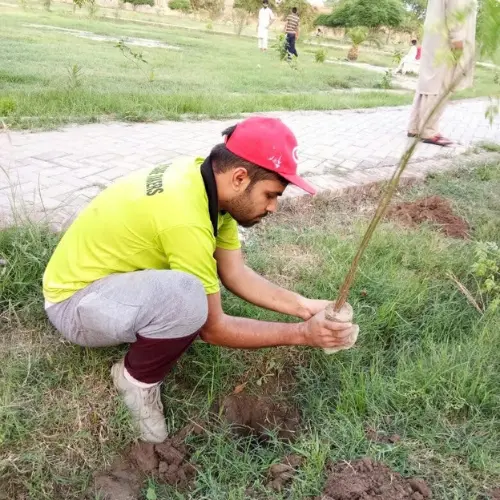
Tree plantation activities encourage communities to plant suitable trees in appropriate locations. Volunteers can also help care for newly planted trees so they have a better chance of surviving.
Community Clean-Up Drives
Clean-up campaigns help remove litter from public spaces, streets, and other suitable areas. These activities also encourage people to keep their neighborhoods clean.
Waste Management Awareness
Educational sessions can teach people how to reduce waste, separate recyclable materials, and dispose of rubbish responsibly.
Clean Water Awareness
Community awareness programs can explain the importance of protecting water sources, avoiding water pollution, and using water carefully.
Environmental Education
Environmental education helps children, students, and adults understand how their daily actions affect nature. Workshops and awareness campaigns can encourage practical habits such as saving electricity, reducing waste, and protecting green spaces.
The Role of NGOs in Environmental Protection
Non-governmental organizations can help communities understand environmental problems and take part in local solutions.
NGOs may organize tree plantation drives, public clean-up campaigns, recycling awareness sessions, and educational activities for schools and communities.
They can also work with local authorities, volunteers, and community groups to identify environmental needs and encourage responsible action.
By involving local people in these activities, NGOs can help develop a stronger sense of responsibility toward the environment.
How to Care for the Environment at Home
Everyone can contribute to environmental protection through simple daily habits.
- Use reusable bags and water bottles when practical.
- Avoid throwing rubbish into streets, drains, and waterways.
- Turn off lights and electrical appliances when not needed.
- Use water carefully and repair leaking taps.
- Separate recyclable materials where local facilities are available.
- Plant suitable trees and care for existing plants.
- Teach children to respect nature and keep public spaces clean.
Small actions can have a greater impact when many people practice them consistently.
Environmental Care in Pakistan
Environmental care is especially important for communities in Pakistan, where air pollution, plastic waste, water contamination, and deforestation can affect people’s health and livelihoods.
Local awareness campaigns and community projects can help address these challenges. Schools, families, businesses, and NGOs can work together to promote tree care, responsible waste disposal, cleaner public spaces, and water conservation.
Environmental projects should be planned according to local needs. For example, tree plantation programs should select suitable native species and provide proper care after planting.
How Donations Can Support Environmental Projects
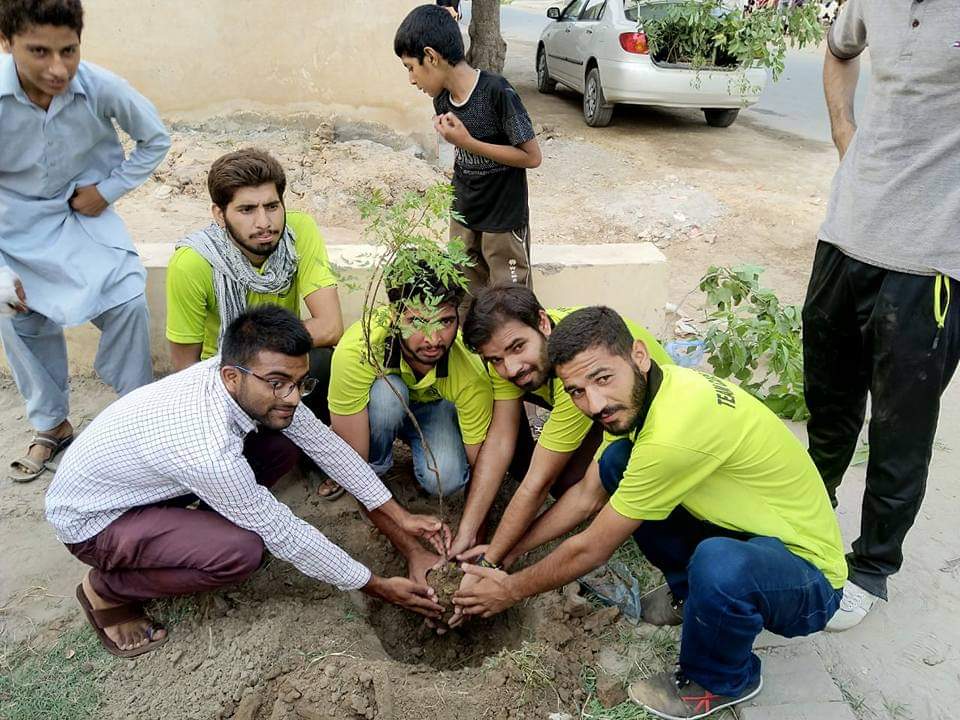
Environmental programs need resources for plants, tools, waste collection, educational materials, and community activities. Donations can help organizations carry out these projects and reach more people.
Your contribution may support:
- Tree plantation and tree-care activities.
- Community clean-up campaigns.
- Waste reduction and recycling awareness.
- Environmental education for children.
- Community projects that protect local natural resources.
Responsible funding helps organizations plan their activities, purchase necessary supplies, and report how contributions are used.
Donate to Support Environmental Care
A cleaner environment begins with awareness and action. By supporting environmental initiatives, you can help communities care for public spaces, protect natural resources, and encourage sustainable habits.
Our NGO welcomes support from individuals, businesses, and community members who want to contribute to a healthier environment.
Donate today to support environmental care and help create cleaner, greener communities for future generations.
Together, we can protect nature and encourage people to make environmentally responsible choices.
Frequently Asked Questions
What is environmental care?
Environmental care means protecting nature by reducing pollution, managing waste responsibly, conserving water, planting trees, and protecting natural habitats.
Why is environmental protection important?
Environmental protection helps preserve natural resources, support human health, protect wildlife, and create a cleaner environment for future generations.
How can NGOs help protect the environment?
NGOs can organize tree plantation campaigns, community clean-up drives, recycling awareness activities, and environmental education programs.
How can I help keep my community clean?
You can dispose of waste properly, reduce plastic use, participate in local clean-up campaigns, and encourage others to keep public spaces clean.
How can I donate to environmental projects?
You can contribute to a trusted organization that supports environmental education, tree-care projects, waste reduction, or community clean-up activities. Check its fundraising details before donating.
What is the importance of tree plantation?
Trees provide habitat for wildlife, store carbon, offer shade, and contribute to healthy ecosystems. Proper species selection and ongoing care are essential for successful tree plantation.
Conclusion
Environmental care is a shared responsibility that begins with everyday choices and grows through community action. Reducing waste, conserving water, planting suitable trees, and educating others can help protect our natural surroundings.
Through environmental awareness, community projects, and responsible donations, NGOs and residents can work together toward cleaner and healthier communities.
Protecting the environment today helps create a better world for tomorrow.