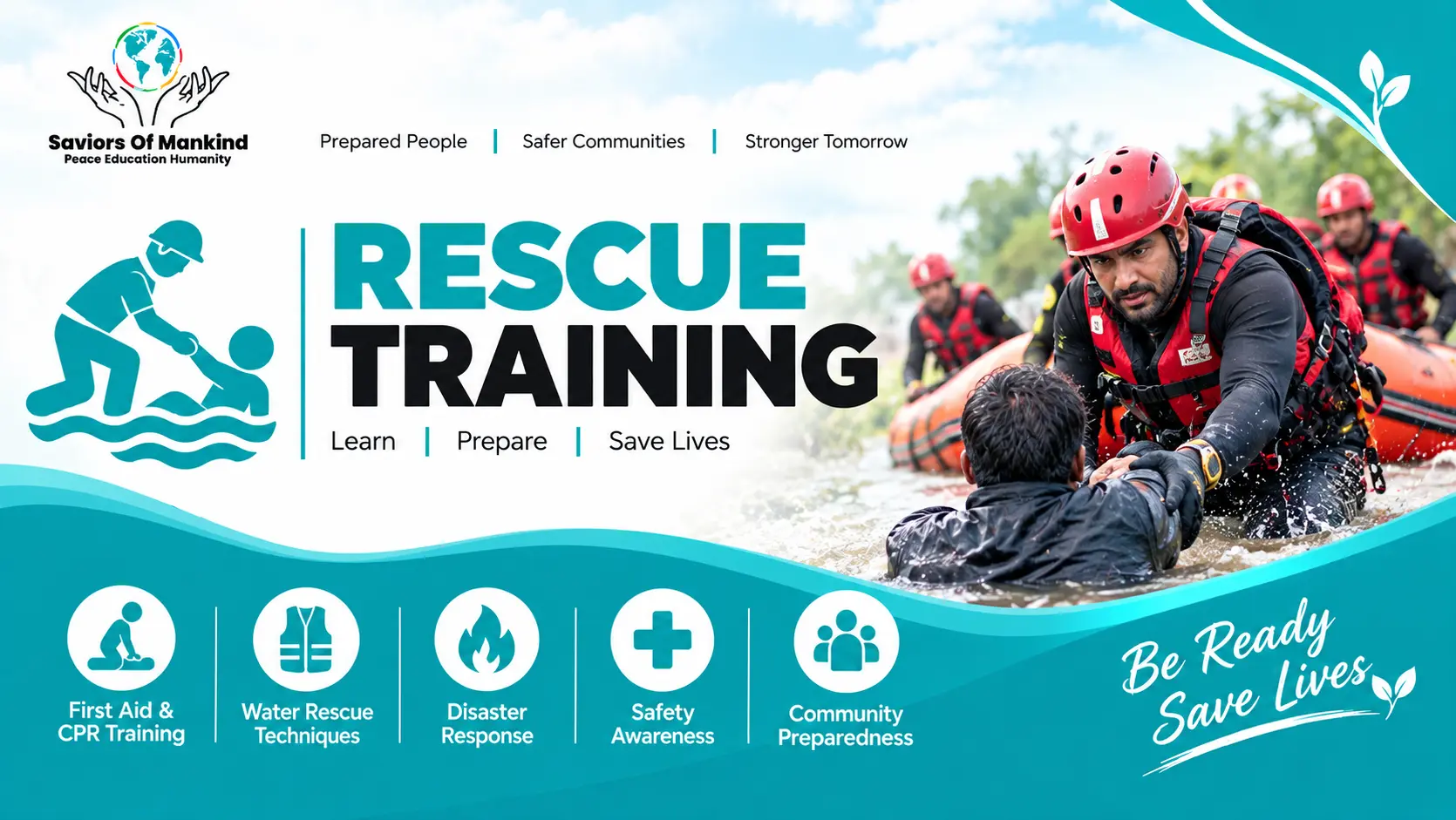
Rescue Training to Build Skills and Save Lives
 saviors
Emergencies can happen anywhere and at any time. A road accident, flood, fire, building collapse, or medical emergency can put people at serious risk. In such situations, quick and correct action can save lives.
Rescue training helps people learn how to respond during emergencies. It teaches practical skills that can help protect injured people, support emergency teams, and reduce the effects of disasters.
What Is Rescue Training?
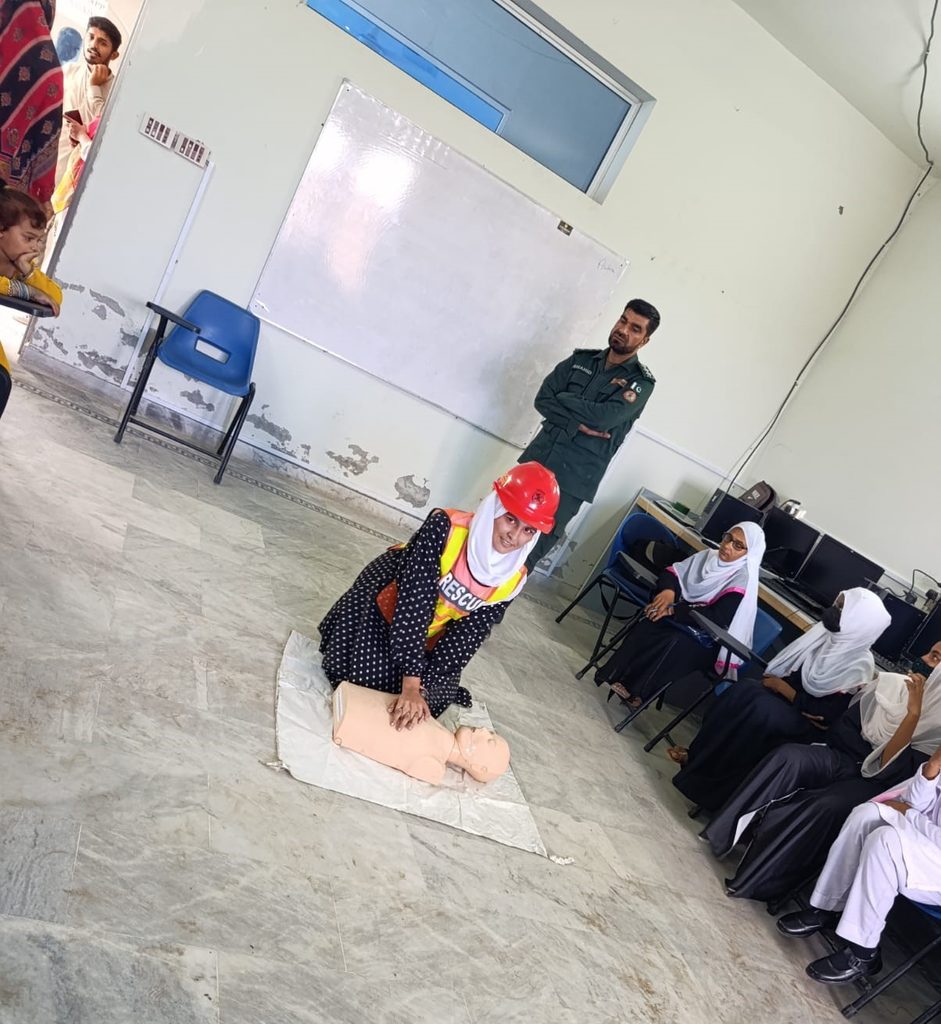
Rescue training is a practical program designed to prepare people for emergencies. It teaches participants how to assess danger, provide basic first aid, help injured people, and move people to safer locations.
The training may include first aid training, emergency response training, disaster preparedness, fire safety, water rescue, evacuation procedures, and basic search and rescue skills.
The exact training depends on the needs of the community and the type of emergencies that are common in the area.
Why Is Rescue Training Important?
During an emergency, every second matters. People may panic and may not know what to do. Proper training gives them the confidence to take safe and useful action.
Rescue training can help communities become better prepared for unexpected situations. Trained volunteers can also support professional rescue workers when a large emergency affects many people.
Some important benefits include:
- Faster response during emergencies
- Better understanding of basic first aid
- Improved disaster preparedness
- Safer evacuation procedures
- Greater community awareness
- Better teamwork during rescue operations
- Reduced risk of further injuries
What Do You Learn in Rescue Training?
A good rescue training program focuses on practical skills rather than only classroom theory.
Basic First Aid
Participants learn how to respond to common injuries and medical emergencies. Basic first aid may include wound care, bleeding control, burns, fractures, and other emergency situations.
Emergency Response
Emergency response training teaches participants how to react when an accident or disaster occurs. They learn how to assess the situation, identify immediate risks, and seek professional help.
Search and Rescue
Search and rescue skills can be useful when people are trapped or missing after an accident or disaster. Participants can learn basic methods for searching an area while keeping their own safety in mind.
Fire Safety
Fire safety training helps people understand how fires start, how to use basic fire safety equipment, and when evacuation is the safest choice.
Evacuation and Emergency Planning
Participants learn how to leave dangerous areas safely. Training can also include emergency plans, safe meeting points, communication methods, and evacuation routes.
Disaster Preparedness
Disaster preparedness is another important part of rescue training. People may learn how to prepare emergency kits, protect important supplies, and respond to disasters such as floods, earthquakes, storms, or other local emergencies.
Rescue Training for Communities
Community rescue training can make a major difference during disasters. Professional emergency services may not always reach every location immediately, especially when roads are blocked or a disaster affects a large area.
Trained community members can provide basic assistance while waiting for professional rescuers.
For this reason, community emergency preparedness should be encouraged in schools, workplaces, villages, towns, and local organizations.
Who Can Join Rescue Training?
Rescue training is not only for professional rescuers. Depending on the program, it can be useful for:
- Volunteers
- Students
- Teachers
- Community workers
- Security staff
- NGO workers
- Workplace employees
- Youth groups
- Local community members
Training should always be provided by qualified professionals, especially when it involves medical care, fire rescue, water rescue, or specialized equipment.
Rescue Training and Flood Emergencies
Floods can create serious risks for communities. Fast-moving water, damaged roads, electrical hazards, and unstable buildings can make rescue work dangerous.
Flood rescue training can teach participants about emergency preparation, safe evacuation, communication, and recognizing dangerous water conditions.
Volunteers should never put themselves at unnecessary risk. Professional rescue teams should handle situations that require specialized equipment or advanced skills.
The Role of NGOs in Rescue Training
NGOs can play an important role in improving disaster preparedness. They can organize rescue training programs, first aid sessions, awareness campaigns, and emergency drills for communities.
Training local volunteers can create a stronger network of people who understand basic emergency procedures.
An NGO can also combine rescue training with other services such as flood relief, medical camps, ration distribution, child education, and community support.
How Rescue Training Helps During Disasters
A trained person may be able to recognize danger earlier, communicate important information, and provide basic assistance until professional help arrives.
The goal is not to replace firefighters, paramedics, police, or specialized rescue teams. Instead, community training helps people respond responsibly and safely while professional help is on the way.
Good preparation can also reduce confusion and panic during an emergency.
Support Rescue Training Programs
Rescue training requires qualified trainers, training materials, first aid equipment, safety tools, and practical sessions. Community organizations and NGOs can help make these programs available to people who may not otherwise have access to training.
Your donation or funding support can help organizations arrange training sessions, provide emergency supplies, and train more community volunteers.
Supporting rescue training is an investment in a safer and better-prepared community.
Frequently Asked Questions
What is rescue training?
Rescue training teaches people how to respond safely during emergencies and disasters. It may include first aid, emergency response, evacuation, fire safety, and basic search and rescue skills.
Why is rescue training important?
It helps people understand what to do during emergencies, reduces confusion, and prepares communities to respond more effectively while professional rescue teams are on their way.
Can volunteers receive rescue training?
Yes. Many community and volunteer programs provide basic emergency response and first aid training to suitable participants.
What is included in emergency response training?
It can include emergency assessment, basic first aid, communication, evacuation, disaster preparedness, and other skills depending on the training program.
How can I support rescue training?
You can support rescue training by volunteering, spreading awareness, donating supplies, or contributing funds to organizations that provide community emergency programs.
Conclusion
Rescue training gives people practical knowledge that can be valuable during emergencies. From basic first aid to disaster preparedness and safe evacuation, these skills can help communities respond with greater confidence and awareness.
Professional rescue teams will always be essential, but a well-trained community can provide important support during the critical moments before help arrives.
By supporting rescue training and disaster preparedness, NGOs, volunteers, and communities can work together to build safer and stronger communities.