Blood Donation
 saviors
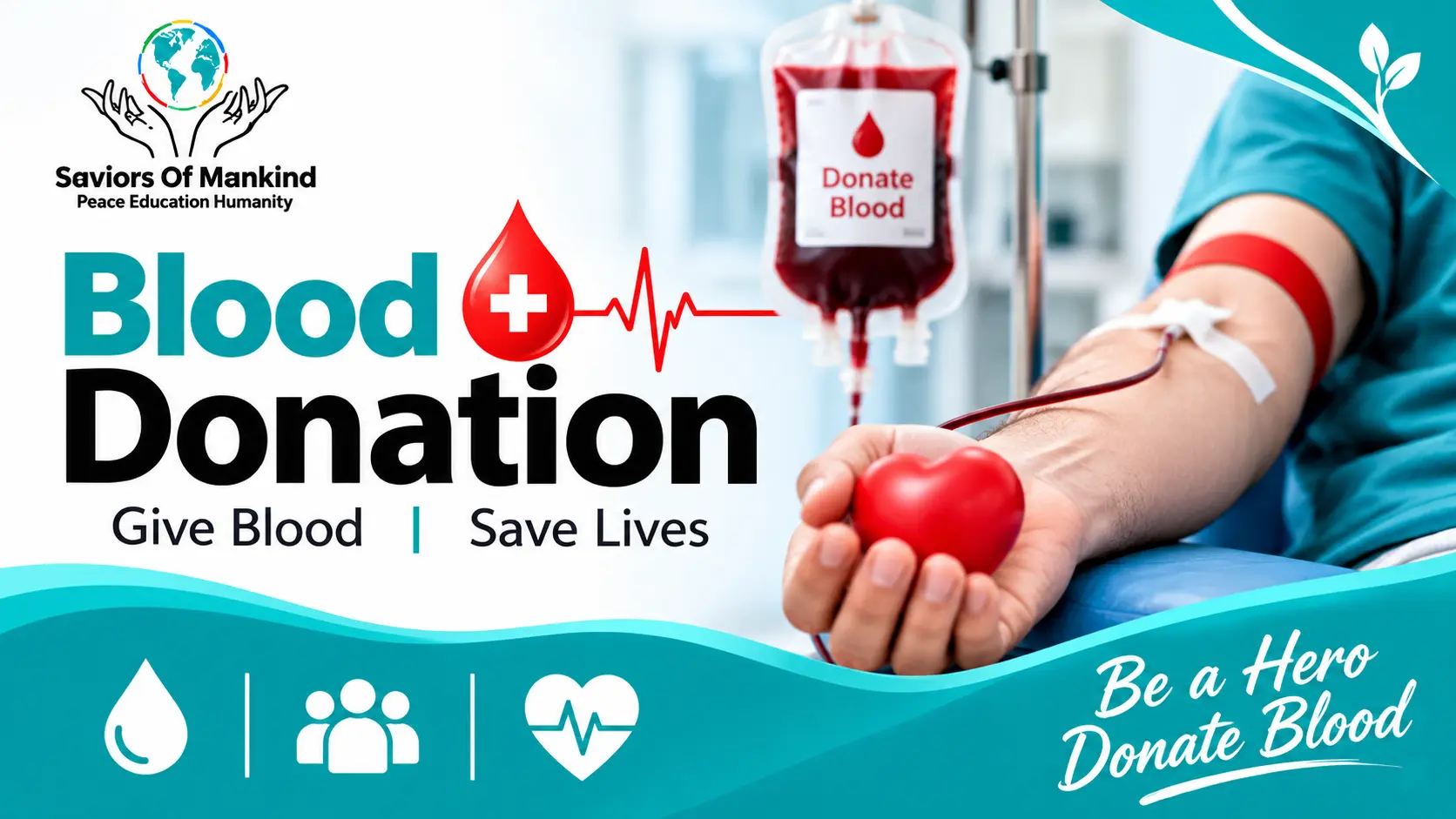
Blood donation is one of the most meaningful ways to help people in need. Every day, patients require blood because of accidents, serious illnesses, surgeries, childbirth complications, and other medical emergencies. For many of them, donated blood can make the difference between life and death.
A single act of kindness can bring hope to someone fighting for their life. By donating blood, you can support patients, strengthen communities, and become part of a life-saving mission.
Why Is Blood Donation Important?
Blood is essential for human life, and there is no complete substitute for human blood. Hospitals and medical centres depend on voluntary blood donors to maintain a safe and sufficient blood supply.
In Pakistan, many patients and families struggle to find suitable blood donors, especially during emergencies. Regular blood donation helps hospitals prepare for unexpected medical needs and gives patients a better chance of receiving timely treatment.
Blood donation is important because it:
- Helps accident victims who need urgent blood transfusions.
- Supports patients receiving treatment for serious diseases.
- Provides blood for people undergoing major surgeries.
- Helps mothers experiencing complications during childbirth.
- Supports children and other patients who require regular blood transfusions.
Who Can Donate Blood?
Many healthy adults can donate blood, but eligibility depends on age, weight, health condition, and local blood donation guidelines.
Before donating, a qualified healthcare professional will check your health and determine whether you are eligible.
Some general requirements include:
- Being in good general health.
- Meeting the minimum age and weight requirements.
- Having acceptable haemoglobin levels.
- Not having a medical condition that makes donation unsafe.
- Passing the blood donation screening process.
Always consult an authorised blood donation centre to confirm your eligibility.
How Does Blood Donation Help Patients?
Donated blood can be separated into different components, including red blood cells, platelets, and plasma. These components can help different patients depending on their medical conditions.
For example:
Accident Victims: People involved in serious accidents may lose large amounts of blood and need urgent transfusions.
Cancer Patients: Some cancer treatments can reduce blood cell production, making transfusions necessary.
Surgical Patients: Patients undergoing major operations may require blood or blood components during treatment.
Mothers and Newborns: Some childbirth complications and newborn medical conditions may require blood transfusions.
Your donation may support more than one patient, depending on how the donated blood is processed and used.
What Happens Before and After Donating Blood?
Blood donation is generally a straightforward process when performed by trained healthcare professionals in an authorised facility.
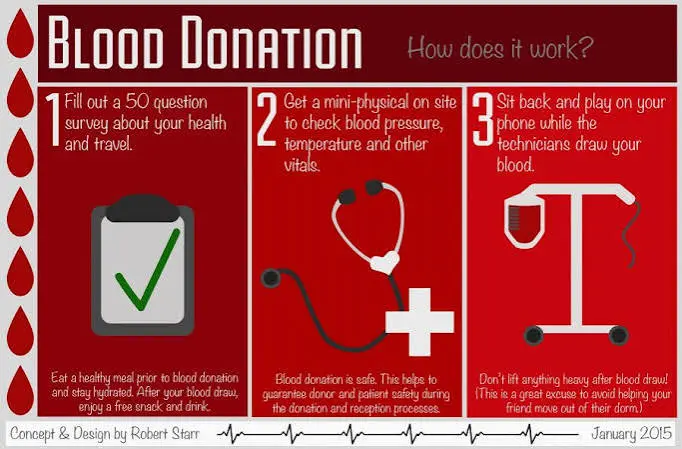
Here are some simple steps to follow:
- Before Donation: Eat a healthy meal, drink enough water, and get proper rest.
- Health Screening: Medical staff will check your health, haemoglobin level, and eligibility.
- Blood Collection: Trained staff collect blood using sterile, single-use equipment.
- After Donation: Rest for a short time, have refreshments, and follow the staff’s instructions.
- Take Care: Avoid strenuous physical activity for the recommended period and stay hydrated.
If you feel unwell after donating, contact a healthcare professional.
Common Myths About Blood Donation
Many people hesitate to donate blood because of misunderstandings. Understanding the facts can help people make informed decisions.
Myth 1: Blood Donation Makes You Weak
Fact: Most eligible healthy donors recover quickly after donating blood. Following post-donation care instructions helps support recovery.
Myth 2: Donating Blood Is Dangerous
Fact: Blood donation at an authorised centre is generally safe. Trained healthcare professionals use sterile, single-use equipment and follow safety procedures.
Myth 3: Only People With Rare Blood Groups Can Help
Fact: Every blood group is important. Hospitals need different blood groups to support patients with different medical requirements.
Myth 4: Blood Donation Takes Too Much Time
Fact: The actual blood collection usually takes around 8–10 minutes, although the complete visit, including registration and screening, takes longer.
How Can You Help Promote Blood Donation in Pakistan?
Saving lives is not limited to donating blood yourself. You can also encourage others to become regular voluntary donors and help spread awareness in your community.
Here are some ways to make a difference:
- Encourage eligible friends and family members to donate blood.
- Share blood donation awareness messages on social media.
- Support organised blood donation camps.
- Help connect patients with authorised blood banks.
- Promote voluntary and regular blood donation.
- Support charities and organisations working for community healthcare.
Small efforts can create a positive impact and help build a stronger culture of voluntary blood donation in Pakistan.
Our Commitment to Saving Lives
At Saviors of Mankind, we believe that every human life deserves care, dignity, and support. Our mission is to help vulnerable communities through healthcare assistance, education, food distribution, and humanitarian support.
We believe that creating awareness about blood donation is an important step towards building healthier and more caring communities.
Together, we can encourage people to help patients in need and make life-saving support more accessible.
Frequently Asked Questions About Blood Donation
1. How often can a person donate blood?
The interval depends on the type of donation and local medical guidelines. For whole blood donation, many guidelines recommend waiting at least 8 weeks (56 days), but donors should follow their local blood centre’s advice.
2. Is blood donation safe?
Yes, blood donation is generally safe for eligible individuals when performed by trained healthcare professionals using sterile, single-use equipment.
3. Can I donate blood if I have a low haemoglobin level?
No. People with haemoglobin levels below the required limit may be temporarily deferred from donating. A healthcare professional can advise you.
4. Does blood donation help accident victims?
Yes. Donated blood and its components can help patients who have experienced severe blood loss due to accidents and other emergencies.
5. Why should I donate blood regularly?
Regular voluntary donation helps maintain a reliable blood supply for patients who need transfusions for emergencies, surgeries, and medical treatments.
Final Words
Blood donation is more than a medical procedure; it is an act of kindness, humanity, and compassion. Your decision to donate can give another person an opportunity to live, recover, and spend more time with their loved ones.
Be a responsible donor, spread awareness, and encourage others to support this life-saving cause.
Donate Blood. Share Hope. Save Lives.

